

Psoriasis care that looks beyond the plaque an inside-out approach
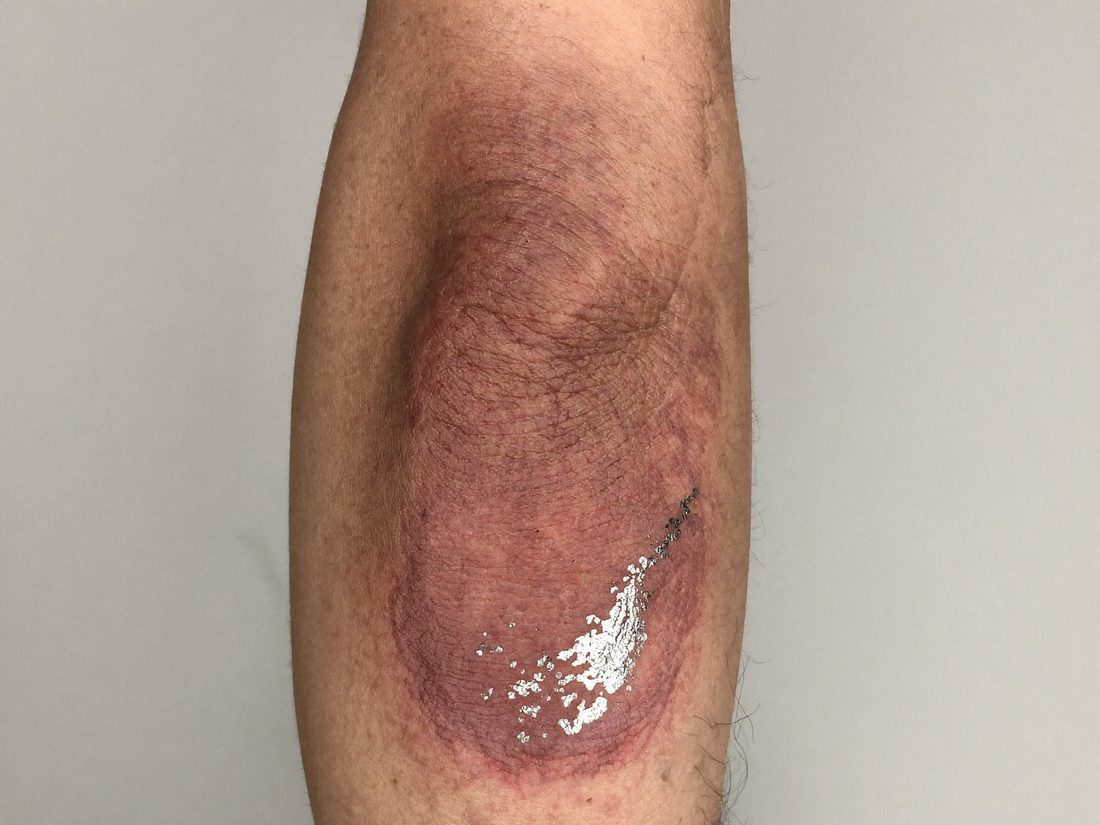
Psoriasis is a chronic, immune-mediated skin disease that produces thickened, well-defined plaques topped with silvery scale, most often on the elbows, knees, lower back and scalp.
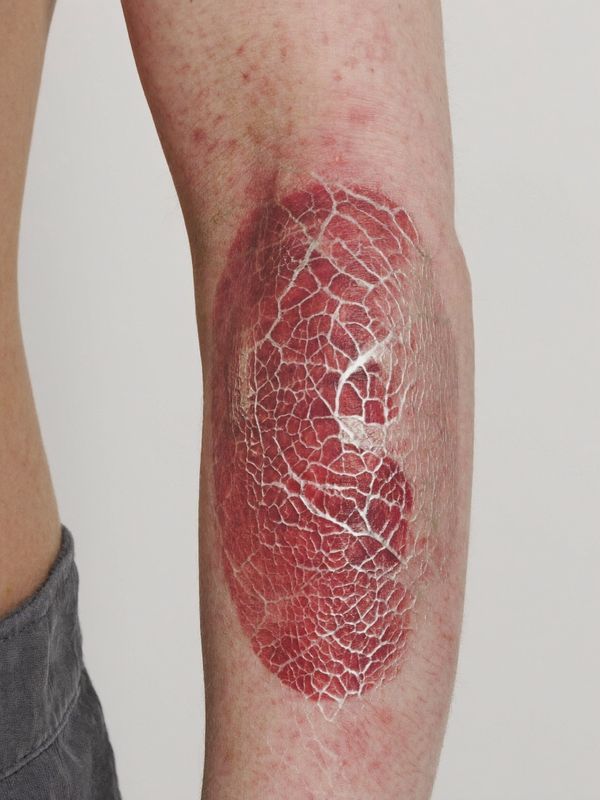
Psoriasis is a chronic, immune-mediated skin disease in which skin cells build up faster than the body can shed them, forming thickened plaques with silvery scale. It is not contagious and it cannot be cured outright, but with cortisone-sparing topical care, phototherapy and, where needed, systemic or biologic treatment it can be brought under lasting control.
Psoriasis is a chronic, immune-mediated skin disease in which the immune system speeds up the life cycle of skin cells, so they build up faster than the body can shed them. The result is thickened, well-defined plaques topped with silvery scale, most often on the elbows, knees, lower back and scalp. It is not contagious and it is not caused by poor hygiene; it reflects an inherited tendency that becomes active under the right conditions.
Psoriasis tends to follow a relapsing course, with quieter spells and flare-ups that can last weeks or months. It usually begins between late adolescence and the forties, though it can appear at any age, and it affects women and men alike. Beyond the skin it may involve the nails and the joints, and it is associated with metabolic and cardiovascular health, so it is best understood as a whole-body condition rather than a purely cosmetic one.
At Clinovia our approach reflects Inside Out Medicine: we treat the visible plaque while assessing the triggers, barrier function and quality-of-life impact behind it. A dermatologist confirms the pattern, scores severity with PASI and DLQI, and builds a stepwise plan that favours cortisone-sparing topical care, NB-UVB phototherapy and, where disease is moderate to severe, systemic or biologic therapy with laboratory monitoring. Every decision is made after examination and reviewed as your skin responds.
Psoriasis — Subtypes
Plaque PsoriasisThe most common form of psoriasis; it presents with well-defined, thickened plaques topped by silvery scale on the elbows, knees and trunk, often with itch.
Read more
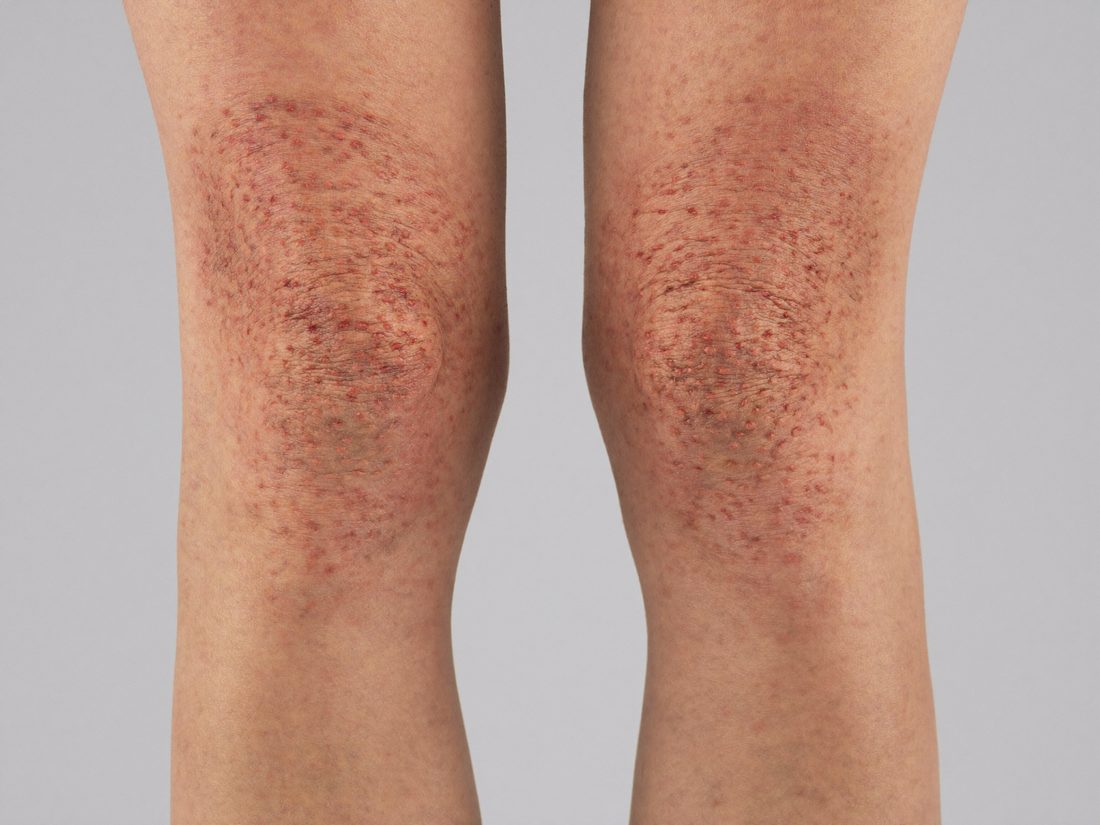 Guttate PsoriasisAn abrupt-onset form that often follows a throat infection, marked by numerous small, teardrop-shaped, lightly scaled plaques scattered across the trunk and arms.
Read more
Guttate PsoriasisAn abrupt-onset form that often follows a throat infection, marked by numerous small, teardrop-shaped, lightly scaled plaques scattered across the trunk and arms.
Read more
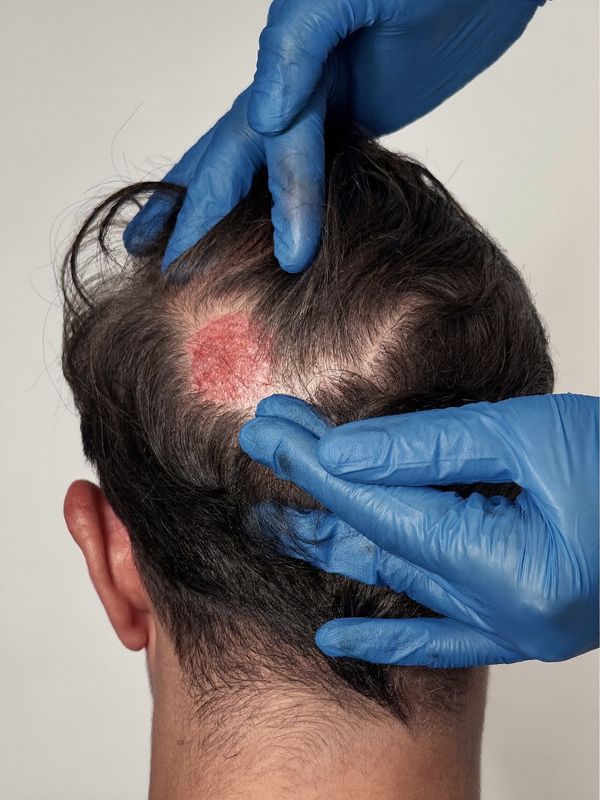 Scalp PsoriasisA stubborn form affecting the scalp, hairline and area behind the ears with thick, adherent scale; it often itches and can cause temporary hair shedding.
Read more
Scalp PsoriasisA stubborn form affecting the scalp, hairline and area behind the ears with thick, adherent scale; it often itches and can cause temporary hair shedding.
Read more
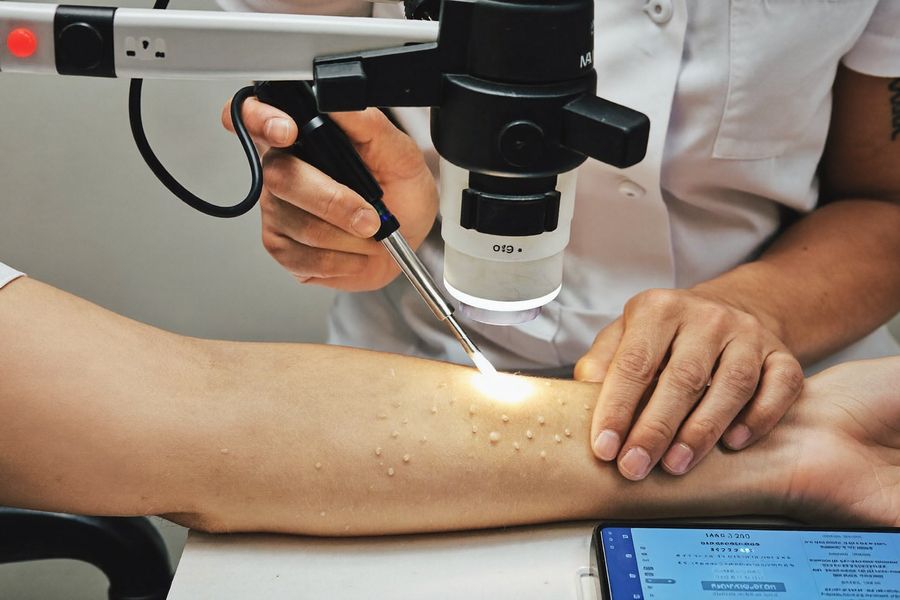 Nail PsoriasisAffecting finger and toe nails with pitting, discolouration, thickening and separation from the nail bed; it responds slowly and calls for patience and steady care.
Read more
Nail PsoriasisAffecting finger and toe nails with pitting, discolouration, thickening and separation from the nail bed; it responds slowly and calls for patience and steady care.
Read more
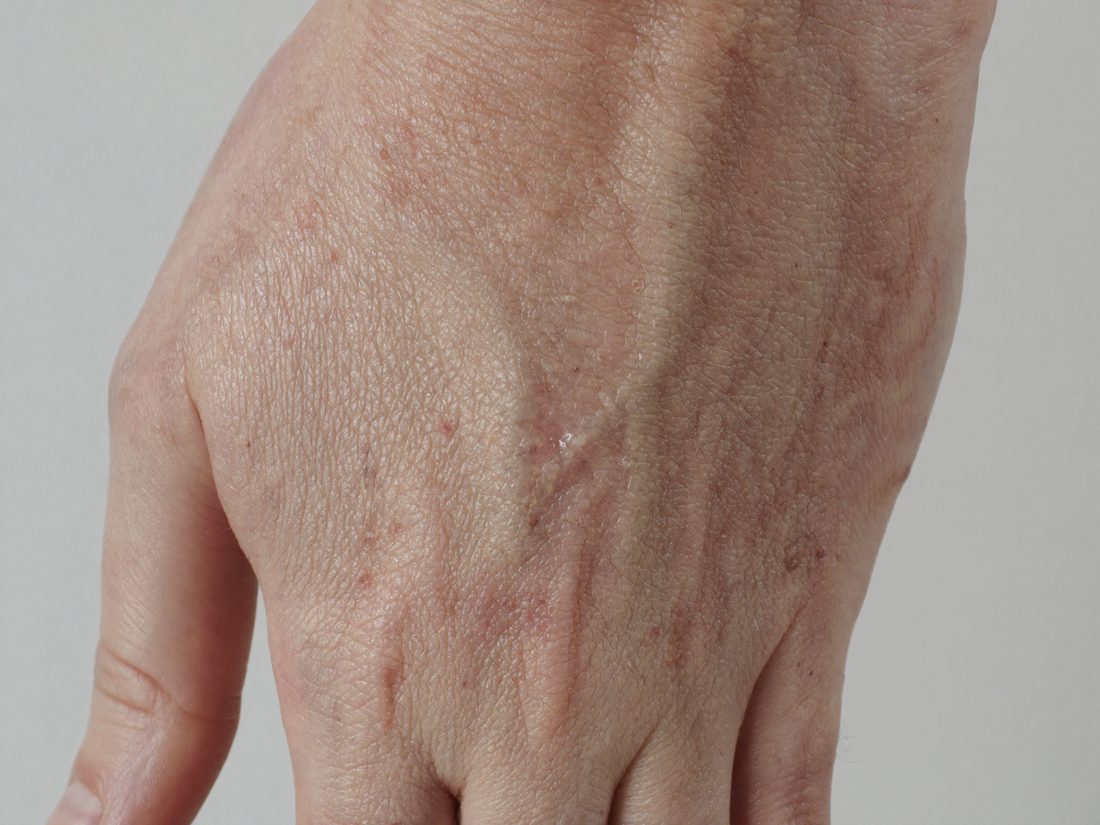 Palmoplantar PsoriasisLocalised to the palms and soles with thick scale, cracking and painful fissures; it hampers manual work and walking and markedly affects everyday life.
Read more
Palmoplantar PsoriasisLocalised to the palms and soles with thick scale, cracking and painful fissures; it hampers manual work and walking and markedly affects everyday life.
Read more
 Psoriatic ArthritisAn inflammatory joint disease that can accompany psoriasis, with joint pain, morning stiffness and sausage-like swelling of the digits; early diagnosis prevents lasting damage.
Read more
Inverse PsoriasisFound in body folds such as the armpits, groin and under the breasts; it shows moist, glossy, sharply bordered and almost scale-free red plaques often mistaken for fungus.
Read more
Psoriatic ArthritisAn inflammatory joint disease that can accompany psoriasis, with joint pain, morning stiffness and sausage-like swelling of the digits; early diagnosis prevents lasting damage.
Read more
Inverse PsoriasisFound in body folds such as the armpits, groin and under the breasts; it shows moist, glossy, sharply bordered and almost scale-free red plaques often mistaken for fungus.
Read more
Symptoms
- Well-defined, thickened red plaques on elbows, knees, lower back and scalp
- A silvery-white, loosely adherent scale covering the surface of each plaque
- Itching, tightness and pinpoint bleeding when scale is scratched away
- Nail changes such as pitting, discolouration and separation from the nail bed
- Cracking, soreness or fissuring of plaques over joints and knuckles
- Joint pain or morning stiffness when psoriatic arthritis is present
Triggers
- Psychological stress and periods of poor sleep
- Throat and other infections, especially streptococcal
- Smoking and regular heavy alcohol use
- Skin injury, friction or sunburn (the Koebner effect)
- Cold, dry weather and low humidity
- Certain medicines, including some for blood pressure
Diagnosis
Clinical examination
A dermatologist examines the plaques, scale and their distribution across the body, checking classic sites such as the scalp, navel and natal cleft to distinguish psoriasis from eczema and fungal rashes.
Dermoscopy
Digital dermoscopy magnifies each lesion to reveal the regular vessel patterns typical of psoriasis, supporting differential diagnosis and allowing lesions to be mapped and compared objectively at later visits.
Nail and joint review
Because psoriasis can involve the nails and joints, we assess pitting and nail-bed changes and ask about joint pain or morning stiffness, referring for psoriatic arthritis evaluation when the history suggests it.
Severity scoring
We record severity with the PASI score and the impact on daily life with the DLQI, giving an objective baseline that lets us measure how well the chosen treatment is working over time.
Treatment
We avoid cortisone as a first step to reduce the skin-thinning and rebound risk associated with long-term topical steroid use.
Cortisone-sparing topical plan
For mild or localised disease we build a topical plan around calcineurin inhibitors, PDE-4 inhibitors and ceramide barrier repair. Topical corticosteroids are not the first step, and long-term steroid dependence is deliberately avoided.
NB-UVB phototherapy
For widespread plaques, narrowband UVB at 311 nm calms inflammation without cortisone. Sessions run two to three times a week in our phototherapy cabin, with a typical course of twenty to thirty reviewed for response.
Systemic therapy
When disease is extensive or resistant, conventional systemics such as methotrexate, ciclosporin or acitretin may be considered. The dose is titrated gradually and safety is tracked with regular laboratory monitoring throughout treatment.
Biologic therapy
For moderate-to-severe disease that resists other options, biologic agents targeting IL-17 or IL-23 can be considered after infection and tuberculosis screening, with response measured by PASI and DLQI at follow-up visits.
Related treatments
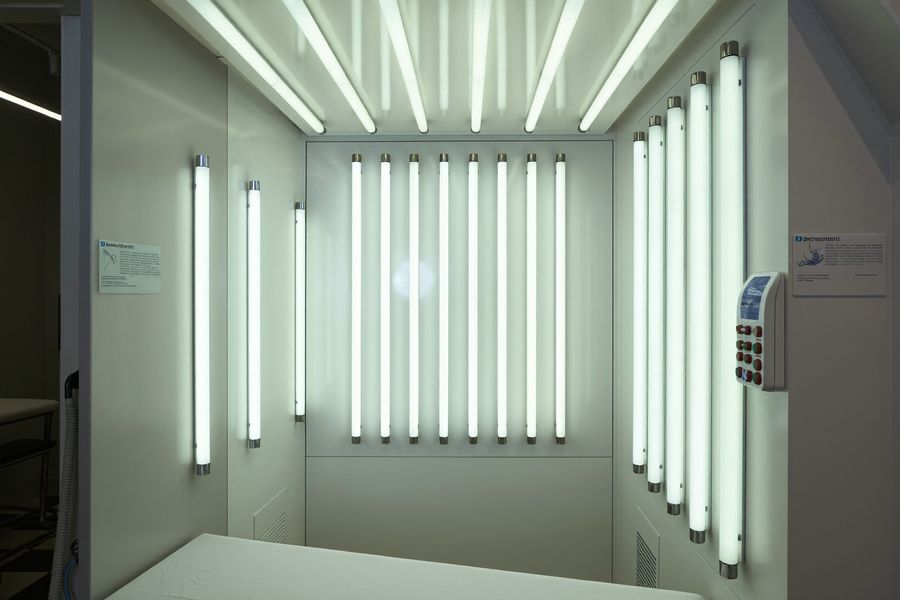 NB-UVB PhototherapyNarrowband UVB at 311 nm calms inflammation in psoriasis and eczema without cortisone. Sessions run two to three times a week, with a typical course of 20–30 and PASI/EASI tracking.
Learn more
NB-UVB PhototherapyNarrowband UVB at 311 nm calms inflammation in psoriasis and eczema without cortisone. Sessions run two to three times a week, with a typical course of 20–30 and PASI/EASI tracking.
Learn more
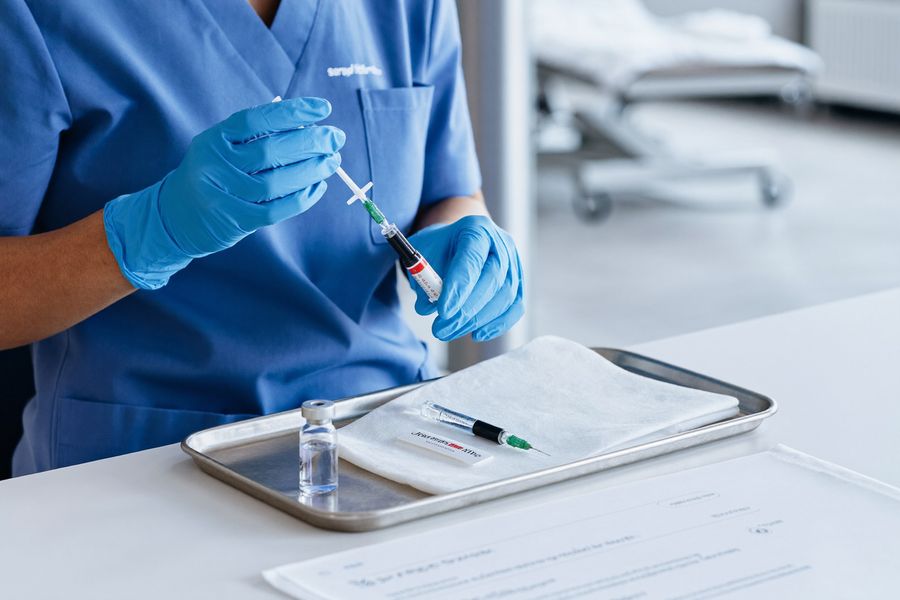 Biologic TreatmentsBiologic drugs selectively block targets such as IL-17 and IL-23 in psoriasis and IL-4/13 in eczema. They are considered in moderate-to-severe, resistant disease after screening.
Learn more
Biologic TreatmentsBiologic drugs selectively block targets such as IL-17 and IL-23 in psoriasis and IL-4/13 in eczema. They are considered in moderate-to-severe, resistant disease after screening.
Learn more
 Systemic TherapySystemic drugs such as methotrexate, cyclosporine and acitretin are used in widespread or resistant psoriasis and eczema, alongside laboratory and safety monitoring.
Learn more
Systemic TherapySystemic drugs such as methotrexate, cyclosporine and acitretin are used in widespread or resistant psoriasis and eczema, alongside laboratory and safety monitoring.
Learn more
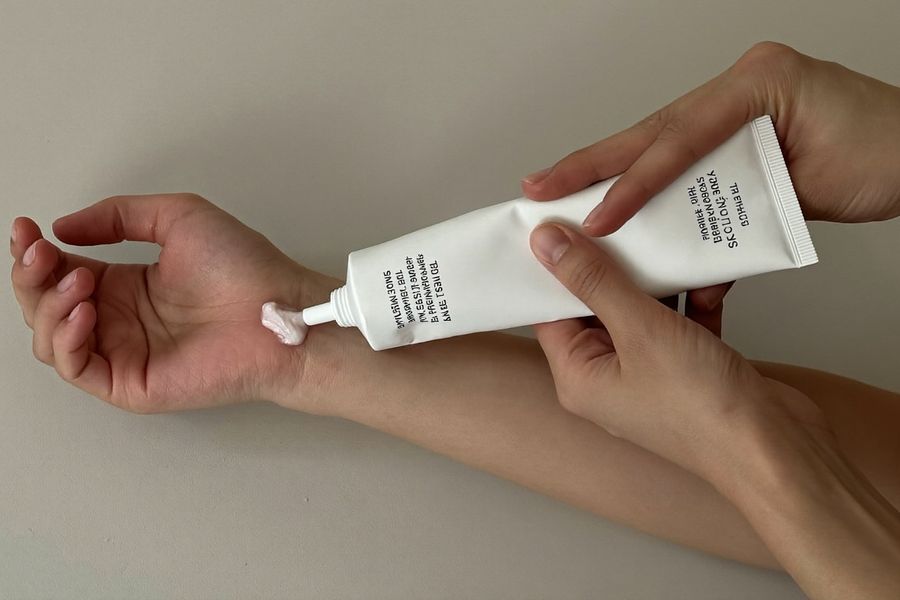 Cortisone-Free Topical PlanA cortisone-free topical plan combines calcineurin inhibitors, PDE-4 inhibitors and ceramide barrier repair to control inflammation without steroid side effects.
Learn more
Cortisone-Free Topical PlanA cortisone-free topical plan combines calcineurin inhibitors, PDE-4 inhibitors and ceramide barrier repair to control inflammation without steroid side effects.
Learn more
Living with it
Daily skin care
Regular use of ceramide-based moisturisers keeps the barrier supple and reduces scaling and itch between flares. A steady daily routine, applied to damp skin, often lowers how much active treatment is needed.
Managing triggers
Identifying and easing personal triggers such as stress, smoking, infections and skin injury can make flares less frequent. We help you recognise your own pattern rather than impose blanket restrictions on daily life.
The gut-skin axis
The link between gut health and inflammatory skin disease is an area still under research. We may assess it alongside evidence-based dermatological treatment, never as a substitute for the care your skin needs.
Emotional wellbeing
Visible plaques and persistent itch affect confidence, sleep and mood. The DLQI helps us track this impact, and controlling the skin is itself one of the most effective ways to protect quality of life.
Treatment in İstanbul
At Clinovia in Eyüpsultan, İstanbul, psoriasis is managed by a dermatologist across the full range of care, from cortisone-sparing topical plans to our NB-UVB phototherapy cabin and biologic therapy. Consultation is available in Turkish, English, Georgian, Azerbaijani and Russian, and we offer a same-day callback for new enquiries. International patients travelling from Georgia, Azerbaijan or Russia are helped to plan treatment around the length of their stay.
- Defterdar, Fethi Çelebi Cd. No:15, Eyüpsultan/İstanbul
- +90 212 267 52 10
- Mon–Sat: 09:00 – 19:00 · Sunday: closed
Frequently asked questions
No. Psoriasis is not contagious and cannot be passed on through touch, shared towels, swimming pools or close contact. It is an immune-mediated condition with an inherited tendency, not an infection. Treatment aims to bring the plaques under control, ease the itch and make flares less frequent, though the underlying tendency remains.
Psoriasis is a chronic condition, so no treatment can promise a permanent cure. It can, however, be controlled well: with the right plan many people reach long, clear or near-clear periods where the skin and quality of life are close to normal. The aim is durable control and fewer flares, reassessed as your skin changes.
A typical NB-UVB course involves two to three sessions a week over roughly eight to twelve weeks, so twenty to thirty sessions in total, with each session lasting only a few minutes. Response is reviewed with the PASI score as the course progresses, and the plan is adjusted rather than fixed in advance.
It can be. Up to a third of people with psoriasis develop psoriatic arthritis, which causes joint pain, swelling and morning stiffness. Because early treatment helps protect the joints, we ask about these symptoms at every visit and arrange further assessment when the history suggests joint involvement.
Yes. Many international patients begin assessment and treatment at Clinovia during a visit to İstanbul. Because phototherapy runs over several weeks, a dermatologist plans what can realistically be started during your stay and what continues afterwards, and can coordinate follow-up once you return home. Consultation is available in five languages.
Not as a first step. At Clinovia topical corticosteroids are not the starting point and long-term steroid dependence is avoided. Most localised psoriasis is managed with a cortisone-sparing plan using calcineurin inhibitors, PDE-4 inhibitors and barrier repair, with steroids reserved for short, specific use only when a dermatologist judges it appropriate.
Medically reviewed
Let's build the right plan for your skin today
Fill in the form and our coordinator will call you the same day to arrange the right doctor and time slot.
- Same-day callback
- Consultation in five languages
- Written treatment plan